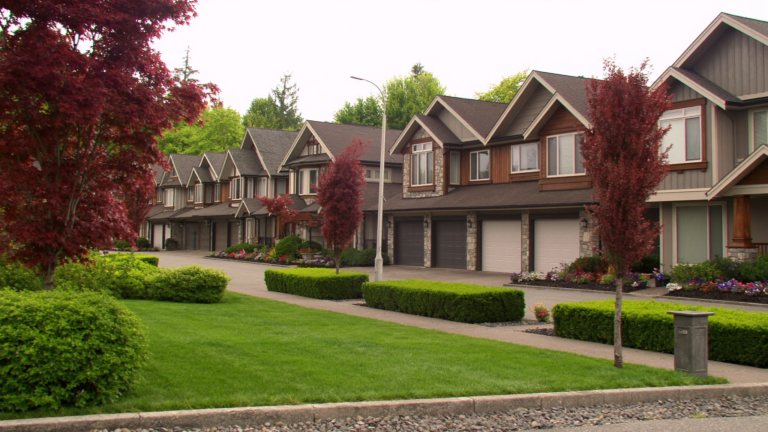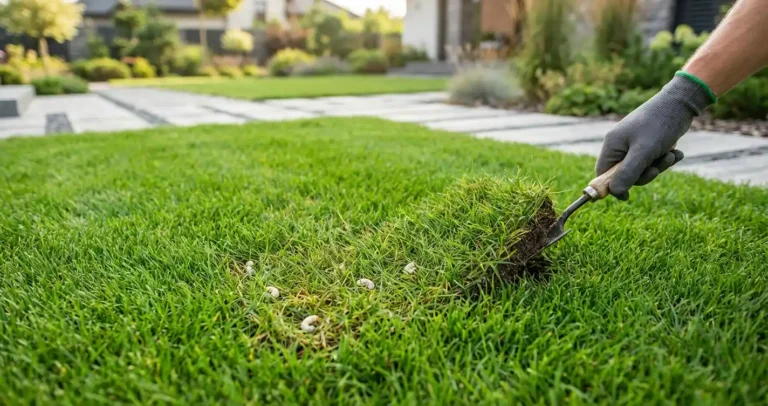
Are you planning a yard project in Langley? You have probably heard two words come up: fill dirt and topsoil. They both look like dirt. But they are very different. Using the wrong one can cost you money and ruin your lawn. At Splendid Landscaping Services, we help homeowners in Willoughby, Walnut Grove, Murrayville, and Brookswood pick the right soil every time. This guide will show you what fill dirt and topsoil are, when to use each one, and how to get the best results in 2026.
Langley has a zone 8b climate. That means heavy clay soil, wet winters, and dry summers. The soil type you choose matters a lot here. The wrong choice can make your drainage worse or stop your grass from growing at all.
What Is Fill Dirt?
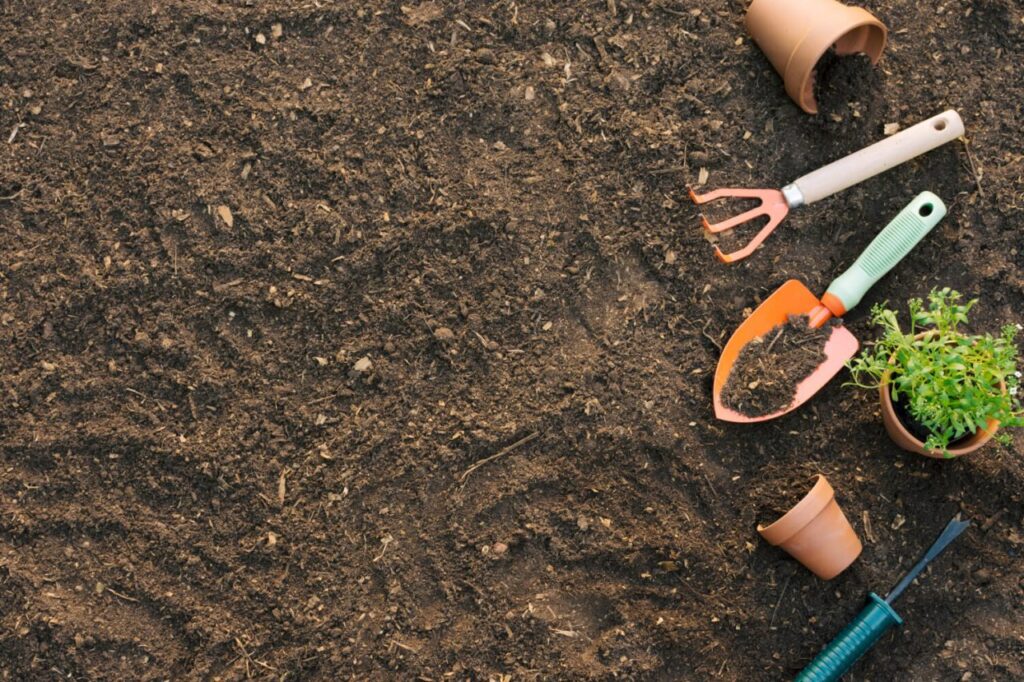
Fill dirt comes from deep in the ground. It sits below the top layer of soil. It is mostly made of clay, sand, and small rocks. It has almost no nutrients. That means plants cannot grow in it on their own.
What Fill Dirt Is Made Of
Fill dirt is mostly subsoil. Subsoil is the layer below where plants grow. It has very little life in it. Fill dirt may also have:
- Clay (very common in the Fraser Valley)
- Sand and fine gravel
- Small rocks and pebbles
- A few old roots or bits of plant material
The exact mix depends on where the fill dirt came from. Most fill dirt is dug up during construction jobs and then delivered to other sites.
What Fill Dirt Is Used For
Fill dirt is best for jobs that need a solid, stable base. It is not for growing things. Use fill dirt for:
- Filling big holes or low spots in your yard
- Leveling a slope before you build
- Building a base under a patio, driveway, or retaining wall
- Grading your yard so water flows away from your home
- Raising your yard before adding a lawn or garden
Fill dirt costs less than topsoil. That is because it has no food value for plants. You can buy it by the cubic yard. Many landscaping and excavation companies in Langley carry it.
Fill Dirt and Fraser Valley Clay Soil
Here is something important to know in Langley. Fill dirt from this area often has a lot of clay in it. Fraser Valley clay packs down tight when it gets wet. Water has a hard time moving through it. If you use fill dirt to level your yard, pack it down in layers. Do not dump it all at once. If you skip this step, the dirt will sink over time and create new low spots.
What Is Topsoil?
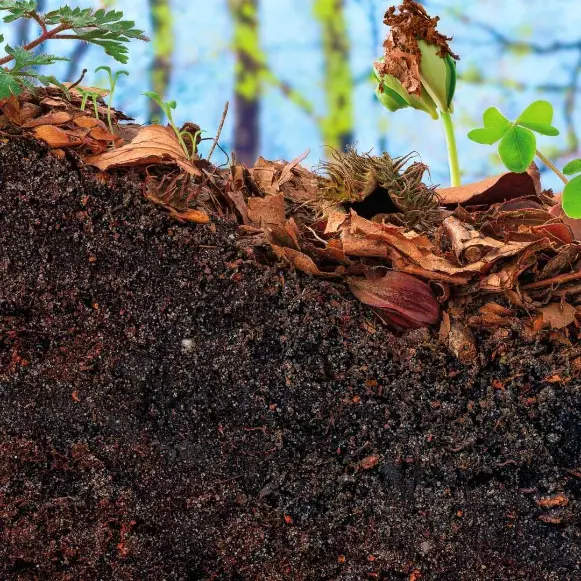
Topsoil is the top layer of the ground. It goes about 5 to 12 inches deep. This is where plants grow. It holds water, feeds roots, and supports life. Good topsoil is dark in colour, soft, and crumbly. It lets water drain without getting too soggy.
What Topsoil Is Made Of
Topsoil is full of good things. It contains:
- Broken-down leaves, roots, and plants (called humus)
- Helpful bacteria and fungi
- Small bits of rock and minerals
- Nutrients like nitrogen, phosphorus, and potassium
- Air pockets that let roots breathe
Good topsoil holds soil together, helps water drain, and feeds your plants.1 This is what makes topsoil so much better for growing things than fill dirt.
What Topsoil Is Used For
Topsoil is a growing material. Your lawn, garden, and plants all need it. Use topsoil for:
- Starting a new lawn from seed or sod
- Building or fixing up garden beds
- Spreading a thin layer over your lawn to improve it
- Filling raised garden boxes
- Fixing soil that is packed down or low in nutrients
Are you putting in new sod or grass seed this spring or fall? Topsoil is the first thing you need. Read our guide on lawn care in Langley, BC to learn how to get your soil ready.
Topsoil Quality in Langley
Not all topsoil is the same. In the Lower Mainland, you can buy screened topsoil or unscreened topsoil. Screened topsoil has had rocks and chunks removed. It is smoother and easier for roots to grow through. Always use screened topsoil for lawns and garden beds.
The BC Ministry of Agriculture says there is no legal rule about what can be called topsoil in BC. That means many different products get sold under that name. Before you order, try to see the soil in person. Good topsoil crumbles easily in your hand. Darker soil usually has more nutrients in it.³ Watch out for cheap topsoil that is mostly clay. In Langley’s wet winters, clay-heavy topsoil gets waterlogged. In summer, it cracks. Look for a blend that has both sand and organic matter.
Fill Dirt vs Topsoil: The Key Differences
Here is a simple look at how fill dirt and topsoil are different:
Organic Matter
Topsoil has a lot of organic matter. Fill dirt has almost none. Organic matter is what keeps soil alive. It feeds your plants. It helps the soil hold water and release it slowly. Without it, plants cannot grow roots well. They dry out fast and struggle in Langley’s summers.
Nutrients
Topsoil has the nutrients plants need. Things like nitrogen, phosphorus, and potassium. Fill dirt does not have these. You cannot grow a healthy lawn in fill dirt. You must put topsoil on top first.
Drainage
Good topsoil soaks up water and lets it out slowly to plant roots. Fill dirt, especially the clay-heavy kind in Langley, packs tight and blocks water. If your yard drains poorly, the best fix is to grade it with fill dirt below and cover it with topsoil on top.
Cost
Fill dirt costs much less than topsoil. You can sometimes get it for free from construction sites, though you will still pay for delivery. Topsoil costs more because it is a better growing product. Prices change by supplier and soil type. Always get two or three quotes before you order a big amount.
Soil Life
Topsoil is full of living things. Bacteria, fungi, and earthworms all live in topsoil. They break down old plant matter and help feed new plants. Fill dirt has almost none of this life. That is one more reason you cannot use them the same way.
When to Use Fill Dirt vs Topsoil: A Langley Homeowner’s Guide
Use Fill Dirt When…
- You need to fill a big hole or low spot in your yard
- You want to raise the grade so water drains away from your home
- You are building a base under a patio, walkway, or wall
- You need to level the ground before laying sod or seeding grass
- You need strength and stability more than plant growth
Use Topsoil When…
- You are planting a new lawn, garden bed, or landscaping area
- Your soil is hard, sandy, or low in nutrients
- You want to improve your lawn by spreading a thin layer on top
- You are planting trees, shrubs, or new plants
- You are building raised garden beds or planters
Use Both Together When…
The most common approach in Langley is to use both. Put fill dirt down first as the base. Then add screened topsoil on top. This is the standard way to do new lawn installs, garden projects, and backfill jobs where you need to raise the grade and grow plants.
A good rule: use fill dirt for the bottom 6 to 12 inches of any grade raise. Then put 4 to 6 inches of screened topsoil on top before you seed, sod, or plant. The fill dirt gives you a solid base. The topsoil gives your plants room to grow.
Need help with soil prep or lawn installation? Our team serves all of Langley and the Fraser Valley. Visit our main landscaping page to book a site visit.
Fill Dirt and Topsoil in the Fraser Valley: What Makes Langley Different
Clay-Heavy Soils
Langley and the Fraser Valley have a lot of clay in the soil. Clay comes from glaciers that covered this land long ago. Clay soil causes problems for both fill dirt and topsoil. Clay-heavy fill dirt packs down hard when wet. It blocks water and air. Clay-heavy topsoil holds water too long, which leads to root rot and moss in winter.
When you buy fill dirt or topsoil in Langley, ask your supplier how much clay is in it. Good topsoil should be blended with sand or compost so it drains well.
Wet Winters, Dry Summers
Langley gets well over 1,500 mm of rain each year. Most of it falls between October and March. Your soil has to handle a lot of water for months at a time. Fill dirt that blocks drainage can cause soggy lawns, dead grass, and even damage to your home’s foundation. Good topsoil with strong drainage keeps your yard healthy all winter and helps it recover fast in spring.
In the dry summer months, topsoil with organic matter holds water better. This means you water your lawn less. It is another good reason to choose quality topsoil for Langley conditions.
Grading and Drainage
One of the most common calls we get in Langley is about drainage. Water is pooling in the yard. There are soggy spots that never dry. Water is moving toward the house instead of away from it. Fill dirt is the tool that fixes grade problems. But it has to be done right. The BC Ministry of Agriculture says topsoil is very hard to get back once it is lost to erosion or poor grading.2 Getting the grade right the first time saves you a lot of money in the long run.
Learn how we fix drainage and grading problems. Visit our Langley landscaping service page for more details.
Topsoil for New Lawns and Garden Beds in Langley
Starting a New Lawn
If you are seeding or laying sod in Langley, you need topsoil. Grass roots need soft, rich soil to grow. Most lawns need at least 4 to 6 inches of good topsoil before you seed or sod. Without it, your grass will grow thin. It will struggle in summer and get mossy in winter.
Spring and early fall are the best times to put in a new lawn in Langley. The weather is mild and there is natural rainfall to help things grow. Getting your soil right first is the most important step of all.
Garden Bed Installation
Topsoil gives your plants a strong start in garden beds. Many Langley yards have heavy clay just below the surface. When you dig a garden bed, you often hit that clay right away. Adding good screened topsoil on top makes a huge difference. Mix in compost too for even better results.
We also suggest pairing topsoil with mulch to keep moisture in during dry summers. Read our article on topsoil vs mulch to learn how to use them together.
Improving Existing Soil with Topsoil and Compost
If your lawn or garden soil is worn out, you do not have to start over. Spread a thin layer of screened topsoil (about 1/4 to 1/2 inch) over your lawn each spring. This slowly builds up the soil quality. You can also mix in compost to add more nutrients. For more tips on combining topsoil and compost, read our guide on topsoil vs compost.
How Much Fill Dirt or Topsoil Do You Need?
Ordering the right amount saves you money and avoids waste. Here is how to figure it out:
Calculating Cubic Yards
- Measure the length and width of your area in feet
- Choose your depth in inches, then divide by 12 to get feet
- Multiply: Length x Width x Depth = cubic feet
- Divide by 27 to get cubic yards
Example: A 20 x 30 foot area needing 4 inches of topsoil = 20 x 30 x 0.33 = 198 cubic feet, divided by 27 = approximately 7.3 cubic yards.
Recommended Depths
- Fill dirt for grading: 6 to 24+ inches, depending on how much you need to raise the grade
- Topsoil for lawns: 4 to 6 inches minimum
- Topsoil for garden beds: 8 to 12 inches for best results
- Topdressing an existing lawn: 1/4 to 1/2 inch per application
When in doubt, order a little extra. Soil packs down as it settles. Running short in the middle of a project is much harder to deal with than having a bit left over.
Common Fill Dirt and Topsoil Mistakes in Langley
Using Fill Dirt Where Topsoil Is Needed
The most common mistake we see is using fill dirt for the whole project and then wondering why nothing grows. Fill dirt is for building structure, not for growing plants. Always add a layer of topsoil on top before you seed, sod, or plant anything.
Buying Low-Quality Topsoil
Not all topsoil sold in Langley is good quality. Some of it is mostly clay with very little organic matter. Always ask for screened topsoil. It should look dark and feel loose. If it looks grey, clumps up when wet, or dries into hard chunks, do not use it.
Skipping Soil Compaction for Fill Dirt
If you dump a big pile of fill dirt all at once, it will settle unevenly. This causes dips and drainage problems later. For any fill job deeper than 6 inches, pack it down in 6-inch layers using a plate compactor or lawn roller.
Ignoring Drainage Before Backfilling
Adding fill dirt around your home without checking drainage first can trap water against your foundation. Make sure water will always flow away from the house. This is very important in Langley, where we get heavy rain all winter.
Can You Use Topsoil as Fill Dirt? (And Why Most BC Homeowners Shouldn’t)
Short answer: technically yes, practically no. This is one of the most common questions Langley and Fraser Valley homeowners ask, and it shows up in dozens of variants — “can I use topsoil to fill a hole in my yard,” “can topsoil be used as fill dirt,” “clean fill vs topsoil.” The mechanics are the same regardless of how the question is phrased.
Topsoil contains organic matter — between 3% and 15% by dry weight, per the BC Landscape Standard. That organic content is what makes plants grow, but it’s also what causes topsoil to compact, settle, and decompose over time. Use topsoil to fill a deep hole and you’ll watch it sink 10-20% over the first 12-18 months as the organic matter breaks down. The grade you carefully built will become a depression.
Fill dirt, by contrast, has minimal organic content. It’s mostly subsoil, clay, sand, or screened mineral material. It compacts predictably, holds its grade, and supports loads. It just doesn’t grow anything well.
The correct technique for filling a hole in your Langley yard is a two-layer approach: fill dirt or screened sand for the bottom 80-90% of the depth, then 4-6 inches of quality topsoil on top for the growing layer. Compact each layer in 6-inch lifts. This is the same technique used for new sod and lawn installation across the Fraser Valley.
Using all topsoil to fill a hole is the most common DIY mistake we see when called for lawn repair in Langley. The homeowner saves on the fill dirt layer, fills entirely with topsoil, then calls us back 18 months later to re-grade after settling has created drainage problems against the foundation.
Clean Fill vs Topsoil: What BC Regulators Actually Require
“Clean fill” is not marketing. It’s a regulated term in British Columbia with specific legal meaning, and confusion about it leads to real problems for Langley homeowners. Per the BC Landscape Standard adopted by the City of Vancouver Park Board’s Best Management Practices for Importing Fill Material, clean fill must meet defined criteria:
- Free from contamination. No glass, metal, ceramic, treated wood, demolition debris, paint, or chemical residues.
- Free from organic debris. No root masses, decomposing wood, garbage, or hazardous biological material.
- Free from invasive species. Specifically excludes crabgrass, couch grass, Equisetum (horsetail), and Convolvulus (bindweed) — all major problem plants in the Fraser Valley.
- Within particle size limits. 100% must pass a 10mm sieve. Max 10% passing a #200 sieve (silt and clay fines).
- Documented source. The supplier must verify the property where the fill originated. Industrial sites, unpaved parking lots, and residential properties with underground fuel tanks are unacceptable sources per Park Board BMP.
Per BC’s Hazardous Waste Regulation (updated under Bill 3 in 2020), soil relocation in commercial volumes (over 20,000 m³) requires notification one week prior to movement, with administrative penalties up to $75,000 for non-compliance. For homeowner-scale projects the documentation burden is lighter, but the underlying risk is the same: contaminated fill on your property becomes your liability if it leaches into groundwater or contaminates garden beds where you grow food.
Real BC case: when “clean topsoil” turns out to be anything but
A homeowner posted on r/landscaping documenting topsoil delivery that arrived “completely full of huge chunks of broken glass, rusty metal, ceramic, and other hazards” — in the yard where their young daughter played. The supplier had marketed the material as “clean topsoil.” The homeowner’s only recourse: reject the delivery, document everything photographically, refuse payment, and report the supplier.
Before accepting any fill or topsoil delivery in Langley or the Fraser Valley, ask the supplier two questions in writing: (1) Where was this material excavated from? and (2) Can you provide testing documentation confirming it meets the BC Landscape Standard? Reputable suppliers will have answers. If they hedge, walk away.
Black Dirt vs Topsoil: Marketing Terms vs Actual Specifications
“Black dirt” is a marketing term, not a specification. It typically refers to one of three things, each with very different properties:
- Muck or peat-blend topsoil. Very dark color from high organic content (sometimes 30%+). Looks impressive in the bag but compacts dramatically and can be too acidic for most BC lawns and ornamentals.
- Topsoil tinted with composted manure. The dark color is from short-aged compost mixed in. Often works well for garden beds but can burn lawns if applied too thick.
- Subsoil colored by iron oxides or organic staining. Looks like topsoil, behaves like fill. Drainage problems and poor plant growth result.
When a Langley supplier advertises “black dirt,” ask for the organic matter percentage and a particle-size analysis. If they can’t provide either, you’re buying a marketing label, not a known product. Splendid sources screened topsoil that meets the BC Landscape Standard (3-15% organic matter, sandy loam to loamy sand) for every garden bed installation and lawn project we deliver.
Filling Holes in Your Yard: The BC Contractor’s Material Hierarchy
For Langley homeowners filling holes — whether from a removed tree stump, an old fence post, a settled foundation gap, or simply a low spot in the lawn — there’s a standard hierarchy of materials by depth and use case:
- 0 to 4 inches deep (shallow lawn depression): Topdress with a 50/50 mix of topsoil and compost. Reseed or re-sod on top. Total cost ~$20-40 in materials per 100 sq ft.
- 4 to 12 inches deep: Fill 80% with screened fill dirt, top 20% with quality topsoil. Compact in 6-inch lifts. ~$60-120 per cubic yard depending on supplier.
- 12 to 36 inches deep (post hole, stump cavity): Pack with sand or screened mineral fill to within 6 inches of grade. Top with compacted topsoil and grass seed or sod. Expect 10-15% settling in year one.
- Over 36 inches deep (deep excavation, foundation backfill): Engineered fill (granular A or B) compacted in 6-8 inch lifts with a plate compactor, then topsoil cap. This is contractor work for safety reasons — improperly compacted deep fill can cause foundation movement.
- Drainage-sensitive areas (against foundations, low spots that pool): Sand-and-gravel mix for the lower layer, never pure topsoil or clay. Clay-heavy lowlands across Langley (Willoughby, Yorkson, Brookswood lowlands) are especially prone to drainage failures when filled with the wrong material.
Cheapest is rarely cheapest. A professional Langley landscaping crew using the right material in the right layer can complete a 10 cubic yard fill project for less than the cost of three subsequent re-grades when DIY topsoil-only settling forces the work to be redone.
Where to Source Fill Dirt and Topsoil in the Lower Mainland
Three sourcing tiers, ranked by cost and quality:
Bulk delivery from landscape supply yards
The best price per cubic yard for any project over 2-3 yards. Langley, Surrey, Abbotsford, and Maple Ridge all have established bulk supply yards delivering screened topsoil, garden mix, sand, and fill dirt by the dump-truck load. Typical pricing in 2026: $35-60/yd for fill dirt, $45-80/yd for screened topsoil, plus $80-150 delivery in the Fraser Valley. Order Monday-Thursday for fastest delivery.
Bagged from big-box stores
Home Depot and Canadian Tire stock bagged topsoil, garden soil blends, and fill in 25-40L bags. Pricing per cubic yard equivalent is 3-5x bulk, but bagged makes sense for small projects under 0.5 cubic yards (about 20 bags). The trade-off is product variability — bagged mixes vary by season and supplier. Check organic matter percentage on the bag if listed.
Free fill dirt from local construction sites
Often advertised on Facebook Marketplace, Craigslist, and Kijiji. Free is appealing, but the contamination risk from unverified construction-site fill is exactly the scenario BC’s clean-fill regulations exist to prevent. If you go this route, ask for the originating address, look up the property’s prior use (BC Online Title Search, $9), and reject anything from former gas station sites, dry cleaners, or industrial parcels. As The Spruce notes, “free fill dirt” advertisements should be vetted carefully — what’s free is the material itself; what costs is the future remediation if it turns out to be contaminated.
For most Langley and Fraser Valley homeowners installing garden beds, sod, or new lawns, bulk delivery from a verified local supplier is the sweet spot for cost, quality, and convenience. We’re happy to recommend suppliers we trust if you request a free quote for your project.
Frequently Asked Questions: Fill Dirt vs Topsoil
Can I use topsoil to backfill around my foundation?
No. Backfill against a foundation should be granular material (sand, gravel, or engineered fill) that drains well and compacts predictably. Topsoil holds water against the foundation wall, accelerating moisture intrusion, and settles unevenly over time. Use clean fill or sand for the bottom 80% and cap with topsoil only in the top 6 inches if you want grass over it.
How long should I wait before planting in fill dirt?
If the fill is properly compacted in 6-inch lifts, you can apply your topsoil cap and plant immediately. If it was dumped and roughly leveled without compaction, wait through one rainy season (October-March in the Fraser Valley) to let natural settling occur, then re-grade and plant. Skipping this on clay-heavy Langley soils leads to drainage failures within the first year.
What’s the difference between “garden soil,” “topsoil,” and “fill dirt” in bagged products?
Garden soil is typically topsoil with added compost, peat, and sometimes slow-release fertilizer — designed for raised beds and container planting. Topsoil is the base material without amendments. Fill dirt in bagged form is rare in BC retail; most homeowners filling holes buy “all-purpose soil” or sand. Check the bag label for organic matter content if you need fill performance — anything over 10% organic will settle as topsoil does.
Can I Use Fill Dirt to Level My Lawn?
Yes, but only use fill dirt for the base. Once you have raised and leveled the area, add at least 4 inches of screened topsoil on top. Then seed or lay sod. Your grass needs that topsoil to grow healthy roots.
Can I Mix Fill Dirt and Topsoil Together?
You can, but it is not a good idea. Mixing fill dirt into topsoil makes the topsoil weaker. It lowers the nutrient level and makes drainage worse. Keep them in separate layers. Fill dirt goes on the bottom for structure. Topsoil goes on top for growing.
Is Fill Dirt Safe for My Garden?
Fill dirt from a trusted supplier is usually fine. But be careful with fill dirt from unknown job sites. It might have concrete chunks, chemicals, or other junk in it. Always ask where the fill dirt came from before using it near a vegetable garden or food plants.
What Kind of Topsoil Is Best for Langley Lawns?
Screened topsoil mixed with compost works best in Langley. Look for a blend that drains well and has good organic matter in it. Do not buy straight clay-heavy topsoil. Ask your supplier for a blend made for the Lower Mainland’s wet and clay-heavy conditions.
How Deep Does Topsoil Need to Be for Grass Seed to Grow?
Grass seed needs at least 4 inches of good topsoil to grow well. Six inches is even better. When topsoil is too shallow over clay, roots stay near the surface. That leads to weak grass that dries out fast and needs constant care.
Ready to Start Your Langley Landscaping Project in 2026?
Getting your soil right is the first step to a yard you love. Whether you need fill dirt for grading or topsoil for a new lawn, Splendid Landscaping Services is ready to help. We work with homeowners all across Langley, including Willoughby, Walnut Grove, Murrayville, Brookswood, and Fort Langley.
Call us today for a free quote. Visit our Langley landscaping service page to see what we do and how we can help you build the yard you have always wanted.
References
1. Agriculture Canada. “Soil Organic Matter.” Government of Canada, 2024. https://agriculture.canada.ca/en/environment/resource-management/indicators/soil-organic-matter
2. Province of British Columbia, Ministry of Agriculture. “Soil Management.” BC Government, 2026. https://www2.gov.bc.ca/gov/content/industry/agriculture-seafood/agricultural-land-and-environment/soil-nutrients/management/erosion-control
3. Province of British Columbia, Ministry of Agriculture. “Buying Topsoil.” BC Ministry of Agriculture Factsheet 610.000-5, revised December 2015. https://www2.gov.bc.ca/assets/gov/farming-natural-resources-and-industry/agriculture-and-seafood/agricultural-land-and-environment/soil-nutrients/610000-5_buying_topsoil.pdf